Competitive Soccer VS. Recreational Soccer
Ever wonder what the difference is between Competitive and Recreational soccer?
This article tells you the basic differences between the two.
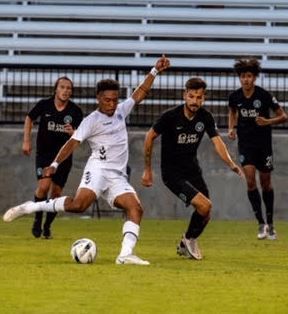
Families often ask what separates Competitive Soccer from Recreational Soccer. The distinctions are meaningful, especially for players who aspire to higher levels of play. Competitive Soccer, also known as Club Soccer or Travel Soccer in other states, is designed for players who want to advance toward elite youth competition, high school excellence, college soccer, and beyond .
Below is a clear breakdown of the major differences between the two pathways.
Training Environment
Competitive Program
- Trains 2–3 times per week, 1.5–2 hours per session
- Strong emphasis on technical development and tactical awareness, with tactical concepts becoming a major focus around age 13
- Structured, progressive sessions designed to challenge motivated players
Recreational Program
- Trains 1–2 times per week for 1–1.5 hours, varying by age and coach availability
- Focuses on fun, fundamentals, teamwork, and learning the game in an enjoyable environment
- Both programs teach teamwork and how to apply skills in game situations
Coaching Standards
Competitive Coaches
- Licensed coaches with high‑level playing or coaching backgrounds
- Receive compensation based on licensure and experience
- Typically assigned to a team for a three‑year cycle unless extended for justifiable reasons
Recreational Coaches
- Primarily parent volunteers with soccer experience or interest
- Fulfill the club’s volunteer requirement for their child’s participation
Travel, Tournaments, & Commitment
Competitive Program
- Most league games are within 60 minutes of Puryear Park, with roughly 50% away games
- Tournament travel varies; teams typically attend 3–4 tournaments per season
- End‑of‑season events often include FYSA commissioner's cup or State Cup
- Tournament fees are funded by families, often supported through fundraising
Recreational Program
- Younger teams play primarily at Puryear Park
- Older teams may travel nearby once or twice per season
- One end‑of‑season tournament, usually within 45 minutes
- Optional additional tournaments available
Season Length
Competitive Junior (Ages 8–14)
- Early/mid‑September → March/early April
Competitive Senior (Ages 15–18)
- August start → pause in October for school season → resume February → April finish
Recreational Season
- Late October → February/early March
Tryouts
- Early May